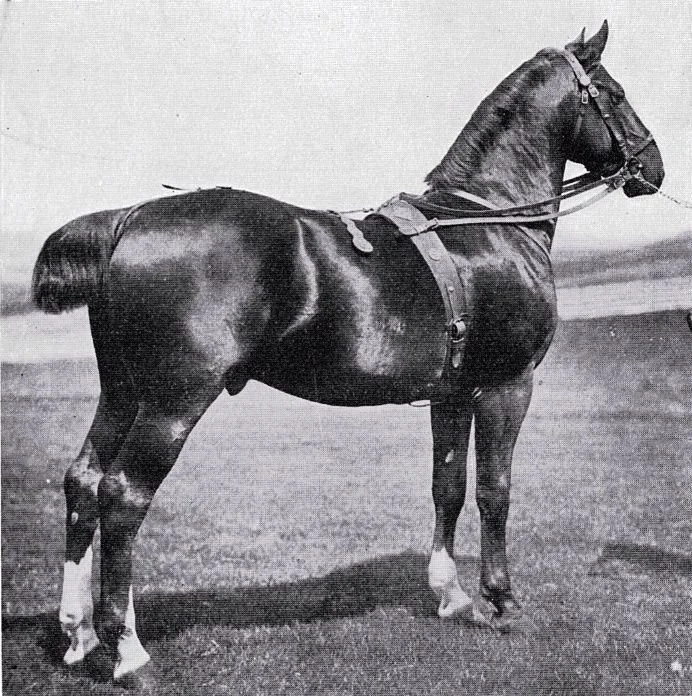
Old Style Hanoverian Stallion
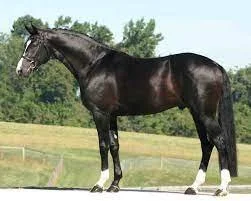
Modern Hanoverian Stallion
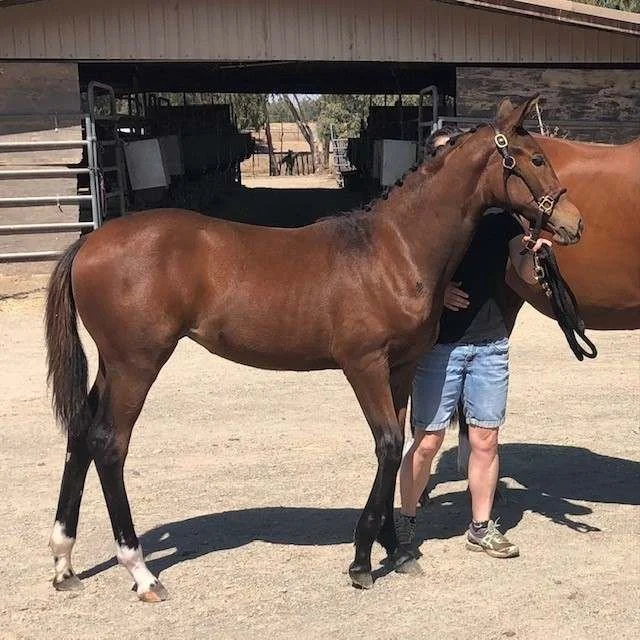
Modern Type Foal
The Hanoverian Sporthorse: A Fascinating History
The Hanoverian Sporthorse has a rich and fascinating history. Bred in Germany for over 400 years, this magnificent animal has become one of the most sought-after breeds in the world. With its elegant appearance and impressive athleticism, it's no wonder that the Hanoverian Sporthorse has captured the hearts of equestrians worldwide.
Originally bred for use as a carriage horse, the Hanoverian Sporthorse has evolved over the centuries to become a versatile breed capable of excelling in various disciplines. The Hanoverian Sporthorse is a jack-of-all-trades from dressage to show jumping, eventing to driving.
Despite its impressive pedigree, the Hanoverian Sporthorse faced several challenges in the 20th century. With the onset of World War II and the decline of horse-drawn carriages, the breed's numbers dwindled. However, thanks to the dedication of breeders around the world, the Hanoverian Sporthorse has made a remarkable comeback in recent decades.
About the Breed
The Hanoverian horse is a warmblood horse bred to excel in the equestrian disciplines of jumping, dressage, eventing, and driving. The breed originated in northern Germany in Lower Saxony, the former kingdom of Hanover, where a flourishing horse-breeding industry has existed for 400 years. The State Stud was established at Celle in 1735, and the German Hanoverian Studbook was officially begun in 1888.
Refining stallions, primarily Thoroughbreds, were crossed with domestic mares to improve the quality of horses for cavalry and farming. The Hanoverian breeding program has adapted to the need for a more athletic riding horse, introducing other breeds, such as Arabians, for endurance and refinement. The result is the modern Hanoverian horse.
The breed retains the substantial bone, sturdiness, and stamina of its heritage. The Hanoverian was bred to serve as a sturdy carriage and military horse. Since the end of World War II, the breeding goal has been exclusively to produce a versatile performance horse. Breeding stock is carefully selected for correct conformation, athletic ability, and inner qualities such as disposition and trainability. The Hanoverian has natural impulsion, light, and elastic gaits characterized by a ground-covering walk, a floating trot, and a round, rhythmic canter. The success of Hanoverian horses in competition proves the soundness of this breeding program – 13 medals in the 1992 Olympics and four consecutive World Breeding Championships, as well as five gold, one silver, and two bronze medals in dressage and show jumping at the 1996 Olympics.
The Hanoverian in the United States
After discovering the breed's athletic talent and rideability, American competitors began importing Hanoverians, and a need arose to continue the German standard of selectivity for the species in this country. In 1978 the American Hanoverian Society (AHS) was incorporated to serve that effort. Over the years, the Society has worked closely with the German Hanoverian Verband (the Verband Hannoverscher Warmblutzuechter), judging and grading breeding stock, registering horses, and licensing and testing the suitability of stallions. In 1995 the AHS assumed full responsibility for breeding Hanoverians in this country. To maintain continuity, the AHS invites representatives of the HV to judge breeding stock and to attend the annual business meeting.
The American Hanoverian Society, Inc. is committed to adopting and adhering to the highly selective breeding standards practiced since 1735 in the Hannover breeding region in Germany. AHS desires to encourage the same standards and to develop Hanoverians on the North American continent, which have equal or enhanced characteristics.
The aim is a noble, correctly built warmblood horse capable of superior performance, a horse with natural impulsion and space-gaining elastic movements – a horse that, because of its temperament, character, and willingness, is suited principally as an all-around riding horse.
Selectivity Enhances Success
Quality performance prospects are the result of the Hanoverian selection process. AHS organizes an annual national inspection tour to register foals, judge and performance-test mares, and approve stallions for licensing. For a foal to be branded and registered, both its sire and dam must be approved by AHS.
Mares
German and American inspectors evaluate mares for type, conformation, and gaits at age three and older through the Mare Performance Test (MPT). High-scoring Main Studbook mares that pass this performance test can become Hanoverian Premium Mare Candidates (HPMC). Once they have produced an AHS-registered foal, they are awarded the coveted Hanoverian Premium Mare (HPM) title.
Stallions
All stallion candidates must be presented for inspection by German and American judges. If scores on conformation, movement, and jumping ability are high, a temporary breeding license can be granted. Stallions must then either complete the North American Stallion Sport Test, which evaluates their athletic ability, gaits, and rideability, in jumping and dressage, or they must meet specified performance requirements in the AHS Rules.
Foals
Foals only from AHS-inspected and licensed or approved sire and dam may be registered with the Society.
A Modern Sporthorse
Today, the Hanoverian Sporthorse is recognized as one of the top breeds in the equine world. With its beauty, athleticism, and versatility, it's easy to see why this excellent breed is popular among riders and breeders. Whether you're a talented equestrian or a simple horse lover, the Hanoverian Sporthorse will find a place in your heart.
References (Links Below):
American Hanoverian Society Website
International Museum of the Horse Website